Looking for an E-commerce SEO Agency in 2026? Start Here
- sandyobelisk
- Feb 23
- 4 min read

If you’re searching for an e-commerce SEO agency in 2026, you’re probably feeling one of two things: pressure or frustration.
Your organic traffic may have slowed down. Maybe paid ads are eating your budget. Or maybe your competitors keep showing up above you in search results—no matter what you try.
You’re not alone.
SEO for e-commerce has changed dramatically. It is no longer sufficient to rank a few product pages. These days, search engines have a far better understanding of intent, behavior, and content quality. Selecting the appropriate agency is therefore more important than ever.
To put it simply, let's talk about what an e-commerce SEO agency does, what to expect from them, and how to pick the best one in 2026.
Why E-commerce SEO Feels Harder in 2026
Search engines are smarter. Buyers are smarter, too.
When someone searches online today, they expect:
Fast-loading pages
Clear product information
Honest reviews
Helpful buying guides
Accurate answers to their questions
Search engines like Google are starting to reward sites that are genuinely useful to the user, rather than simply keyword-rich.
So if your product descriptions are short, copied from the manufacturer, poorly formatted, or just plain bad; if your site loads slowly or has technical errors, it becomes even harder.
SEO is no longer just “add keywords and wait.”
It’s about building trust, relevance, and usability.
What Does an E-commerce SEO Agency Actually Do?
A good e-commerce SEO agency focuses on improving your store in three main areas:
Technical health
Content quality
Authority and trust
Let’s look at each one in a simple way.
1. Fixing the Technical Foundation
Imagine your website's technical SEO as the foundation of a house. Without a solid foundation, nothing else works.
E-commerce websites often have:
Hundreds or thousands of product pages
Category filters
Duplicate URLs
Pagination issues
Broken links
An experienced agency will:
Improve site structure
Fix duplicate content problems
Optimize page speed
Set up structured data (schema)
Ensure search engines can crawl your pages properly
Without this step, content improvements may not bring results.
2. Understanding Buyer Intent (Not Just Keywords)
Agencies focused on keywords with the highest volume.
By 2026, intent will be more important than volume.
For instance:
"Running shoes" → Wide search
"Top running shoes for flat feet" → Purpose of the study
"Purchase Nike Air Zoom size 9" → Intent to buy
An experienced agency will map every kind of keyword to the right web page:
Transactional keywords → product pages
Commercial keywords → category pages
Informational keywords → blogs, websites, and documents
That structure means your site will rank higher and convert better.
3. Optimizing Product Pages the Right Way
Product pages are where money is made. But many stores treat them as an afterthought.
Strong product pages include:
Clear, original descriptions
Benefits (not just features)
FAQs
Internal links
Optimized titles and meta descriptions
Review integration
Agencies rewrite manufacturer product descriptions to match your brand voice and user intent, preventing duplicate content.
This alone can significantly improve visibility.
4. Creating Helpful Content That Builds Authority
In 2026, informational content supports product rankings.
Why? Because search engines want to show brands that understand their niche deeply.
That’s why strong agencies create:
Buying guides
Comparison articles
“How to choose” content
FAQs
Industry insights
When your store answers real questions, it earns trust—and rankings follow.
5. Building Real Authority (Not Spammy Links)
Backlinks still matter. But random low-quality links can hurt more than help.
Modern SEO agencies focus on:
Relevant websites
Digital PR
Brand mentions
Content collaborations
Authority is built slowly and naturally. There are no safe shortcuts anymore.
How to Know If You Need an E-commerce SEO Agency
Here are a few common signs:
Your traffic is flat or declining
Your competitors outrank you consistently
Paid ads are your only growth channel
You don’t know which keywords bring sales
Your product pages are not indexed properly
If you recognize even one of these, professional help might save you time and money.
How to Choose the Right Agency in 2026
Now comes the important part: choosing wisely.
1. Real E-commerce Experience
SEO for blogs is very different from SEO for online stores.
Ask:
Have you worked with stores like mine?
Can you show measurable results?
Do you understand my platform (Shopify, WooCommerce, Magento)?
Experience reduces costly mistakes.
2. Clear Strategy, Not Big Promises
Be careful of agencies promising:
“Guaranteed #1 rankings”
“Instant results”
“Thousands of backlinks in one month”
SEO takes time.
A reliable agency will explain:
Audit process
Timeline
Strategy phases
Expected milestones
Transparency is a good sign.
3. Data and Reporting
You should receive regular updates on:
Organic traffic growth
Keyword movements
Revenue from SEO
Conversion improvements
If reporting feels vague, that’s a red flag.
4. Focus on Long-Term Growth
SEO is not a one-time task.
New products get added. Competitors improve. Algorithms change.
You just need someone who will think long-term like you.
Agencies like Obelisk Infotech often prioritize structured SEO roadmaps over short-term SEO solutions and hacks.
Common Mistakes Store Owners Make
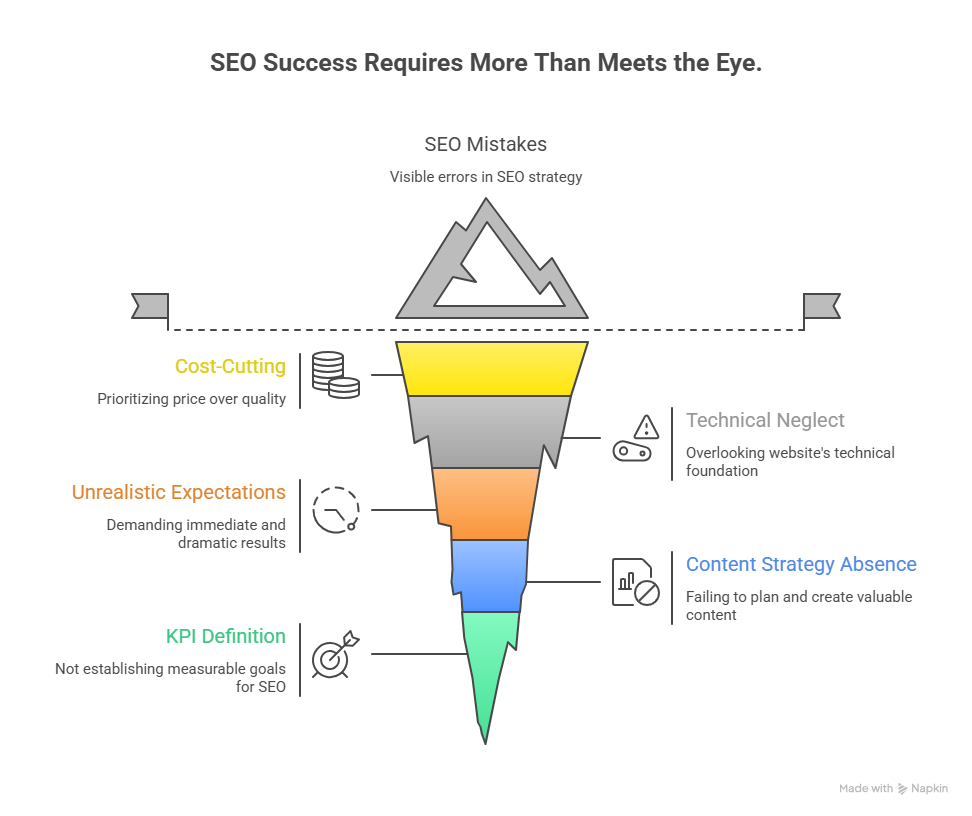
Avoid:
Choosing the cheapest option
Ignoring technical SEO
Expecting results in 30 days
Skipping content strategy
Not setting clear KPIs
SEO success comes from consistent effort—not quick hacks.
What Results Should You Realistically Expect?
When done properly, e-commerce SEO can lead to:
Higher organic traffic
Better keyword rankings
Lower ad dependency
Increased revenue
Stronger brand authority
However, results depend on:
Competition level
Website condition
Budget
Execution quality
Most stores tend to see increases after three to six months. Sustainable growth takes patience.
The Bottom Line
In 2026, when you search for an e-commerce SEO agency, do not start with the budget. Start with clarity.
Ask yourself:
What are my real growth goals?
Where is my current SEO weak?
Do I need technical fixes, content support, or both?
Am I ready to invest in long-term improvement?
The right agency will not bombard you with jargon, but focus on delivering results, making sense of the process, and speaking in plain English.
For e-commerce companies, search engine optimization remains one of the best growth strategies available. When done properly, it becomes an asset that compounds over time.
Take your time. Ask smart ques tions. Choose expertise over hype. And build a strategy designed not just for 2026—but for the years ahead.


Comments